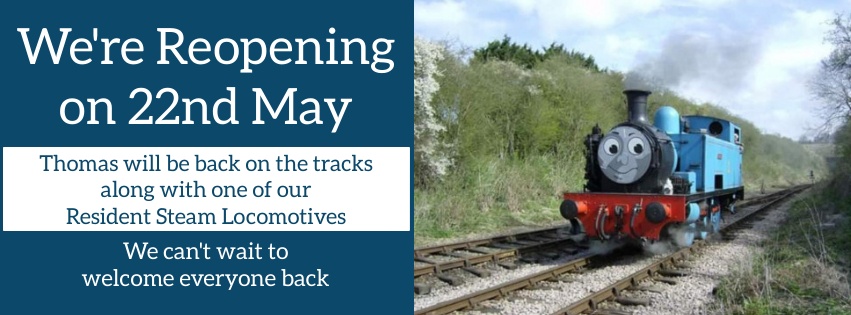
Excellent news, hopefully lots of tickets will be sold. Details are on the main Railway web site at www.nvr.org.uk
We are spending today preserving yesterday, so you can enjoy it tomorrow.
Excellent news, hopefully lots of tickets will be sold. Details are on the main Railway web site at www.nvr.org.uk
The other day I received an email, now that in itself is not unusual, I receive many emails every day.
But this one, just out of interest was from a member of the public not a member of the railway and asked the following question.
What is your most unusual memory?
Now that’s not an easy question to answer as I have so many memories of the funny, the sad and the unusual at the station I ran for over 14 years.
But one incident springs to mind and it is from the first year I was on the railway.
Now my first year was spent split between working at Ferry Meadows station and working on the trains as a TTI, and it is doing the latter job that this incident comes from:-
Highlight of the year without doubt was opening the compartment on the Mk1’s with the blinds drawn. On opening it I was greeted with the sight of a young lady on her knees in front of her boyfriend. She was topless. I said “Tickets please” she did not flinch, he almost went through the roof in shock, I clipped their tickets and left with the comment that I would not charge for the two bald headed children and shut the compartment door behind me.
Never a dull moment!!
For the first five years I wrote a short article covering each year.
These can be read on my old blog site at www.arkwrightsoforton.co.uk Should you read them I hope you enjoy them. Some of the information in them is no longer relevant but they do show my first five years on The Nene Valley Railway.
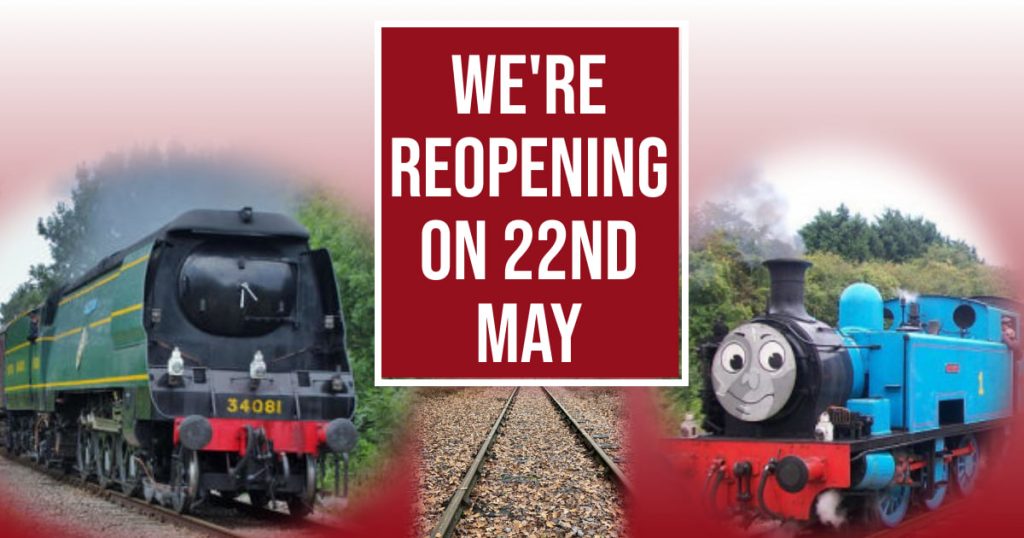
Go to main site at www.nvr.org.uk for details soon…
My thanks to Paul for this article, I hope you all enjoy reading it and learn something about the black stuff that helps power our steam locomotives.
By Paul Roe Locomotive Department Manager
Coal is very much in the news at the moment as the UK ceases to mine its own coal, some say we are facing a coal crisis and soon we won’t have any coal left and Heritage railways will soon struggle to operate. This is far from correct and coal is and will still be imported from other parts of the world, the ironic issue being the carbon footprint is much larger importing coal then actually mining it in the UK. Many years ago in the heyday of coal mining, people were scared that if mining continued the UK would float and float away
Coal is classified into four main types, or ranks: anthracite, bituminous, subbituminous, and lignite. The ranking depends on the types and amounts of carbon the coal contains and on the amount of heat energy the coal can produce. The United States holds the world’s biggest coal reserves. The nation’s proved coal reserves as of December 2018 stood at 250.2 billion tonnes (Bt) accounting for approximately 24% of the worlds proven coal reserves. Anthracite is found on the east coast in the US, South Africa, Australia, Western Canada, China and Russia. Two-thirds of Russia’s coal reserves are anthracite. Because of its efficiency and thus less carbon and sulphur usage per watt of power, anthracite is also the ‘cleanest’ coal in the world.
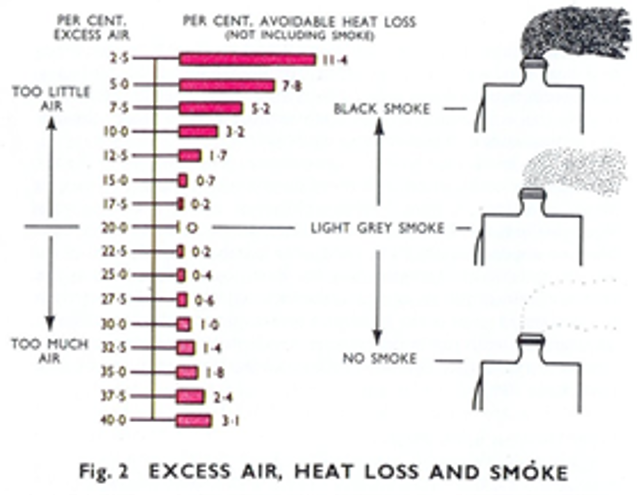
The NVR over the years have used coal from across the Globe, we have used Scottish, Welsh, Cumbrian, Russian, Polish, Bosnian. By far the cleanest is Welsh Steam coal, this coal provides high heat and less smoke, but is more expensive and takes a longer time to combust, so as a fireman you have to think about boiler management earlier than using a non-steam coal. At present a tonne of coal is averaging at £175 a tonne plus vat, coal consumption is different on each locomotive and several factors come in to play, size of boiler and firebox, how the driver operates the locomotive, the load that is being hauled, steam heat, is the coal of good source? So coal steams are terrible and the coal will just not burn hot. A locomotive the size of 92 Squadron would use up to about 1 tonne of coal per trip on the NVR, if the locomotive is running not stop less coal would be used and the locomotive would be working more efficiently. Currently the NVR is running on Scottish coal, this is a good coal but can be smoky coal, this can be controlled by the fireman, if you see dark thick black smoke, this would indicate that the fireman has over fired and not enough air is entering the firebox to burn the gasses away.
Composition of Air and Coal
Combustion takes place when coal burns in air, and correct combustion can only be obtained by bringing together the right amounts of coal and air at the same time. To examine this statement more fully it is necessary that we should know something of the chemical constituents of coal and air.
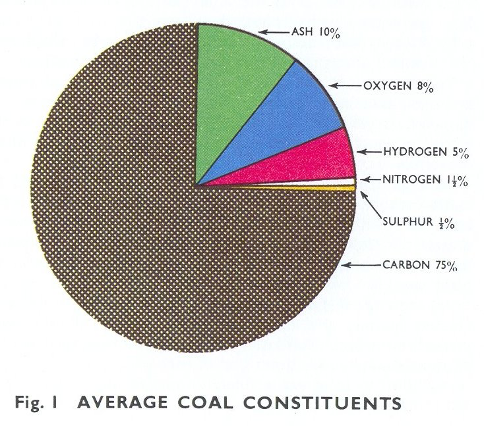
Coal varies in quality and composition, but the greater part of it consists of carbon, the remainder being composed of gases and ash (see Fig. 1).
Air consists of a mixture by weight of approximately 23% oxygen and 77% nitrogen, or when measured by volume, 21% oxygen and 79% nitrogen.
Coal comes in all different sizes and the ideal size of coal for burning on a steam locomotive is “The size of a man’s fist”, anything any bigger will take longer to burn and can make cold spots in the fire bed, we are currently in stock with coal on the NVR we about 35 tonnes of Scottish coal on site, this will soon be added to with about 28 tonnes of Northumberland coal which is being provided by West Coast Rail and a very good price. The Miniature Railway at Wansford operates on anthracite coal and these are the size of beans, anthracite is used on all steam models and it is smokeless so this stops the smaller boiler tubes furring up and creates a high temperature for the smaller fireboxes
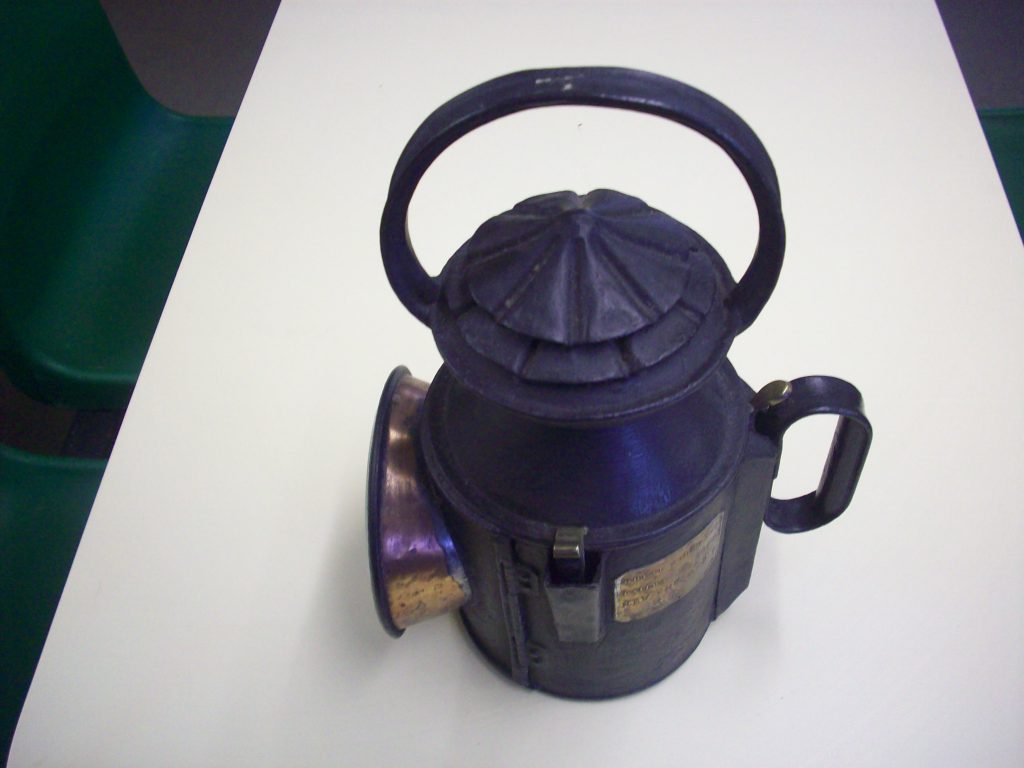
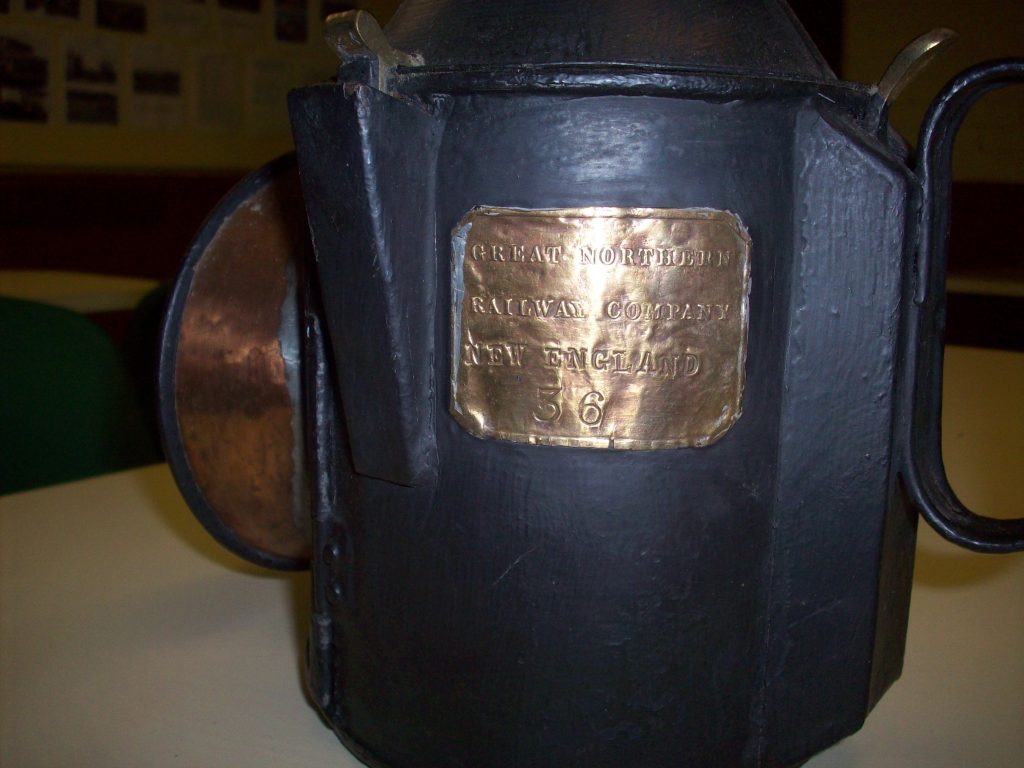
Just a couple of images of a Great Northern Railway Company lamp from New England I photographed a few years ago.
Not the greatest of images but they do show the lamp and also it’s identification plate.
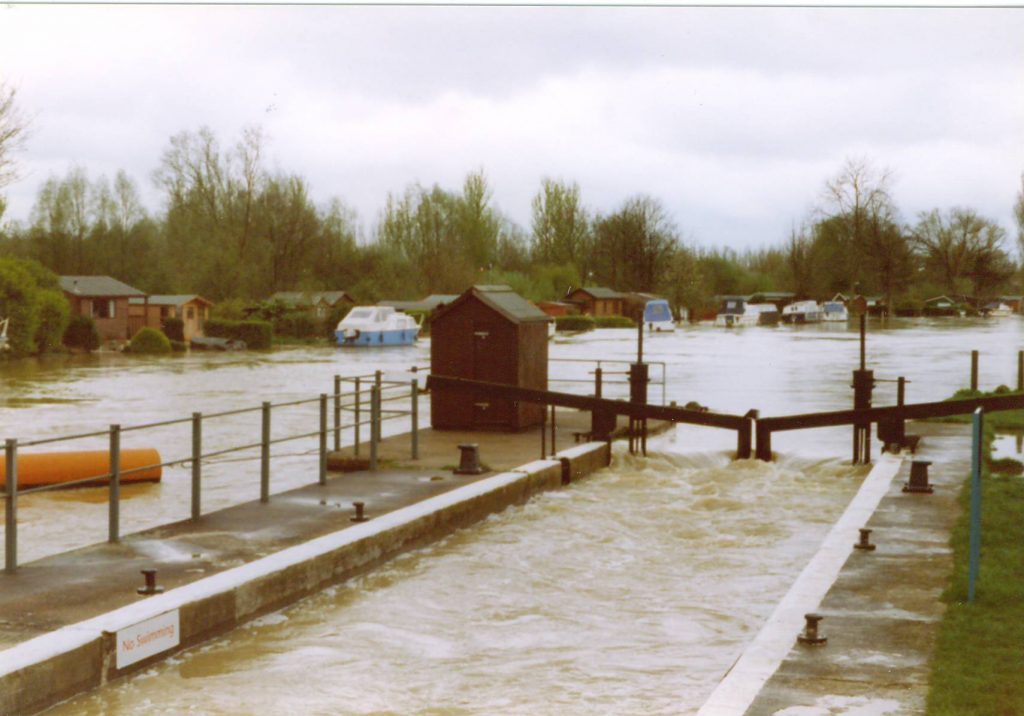
One question that I have often been asked over the years, especially when it was raining was does the river flood very often?
The answer is yes it does on a regular basis and depending on the amount of rain the level of the river can change dramatically.
This year Nene Park was quoted as saying that it’s one of the worst winters yet for flooding.
Here are three pictures taken a few years ago at Orton Mere showing how the river can overflow and how close it can get to the station.
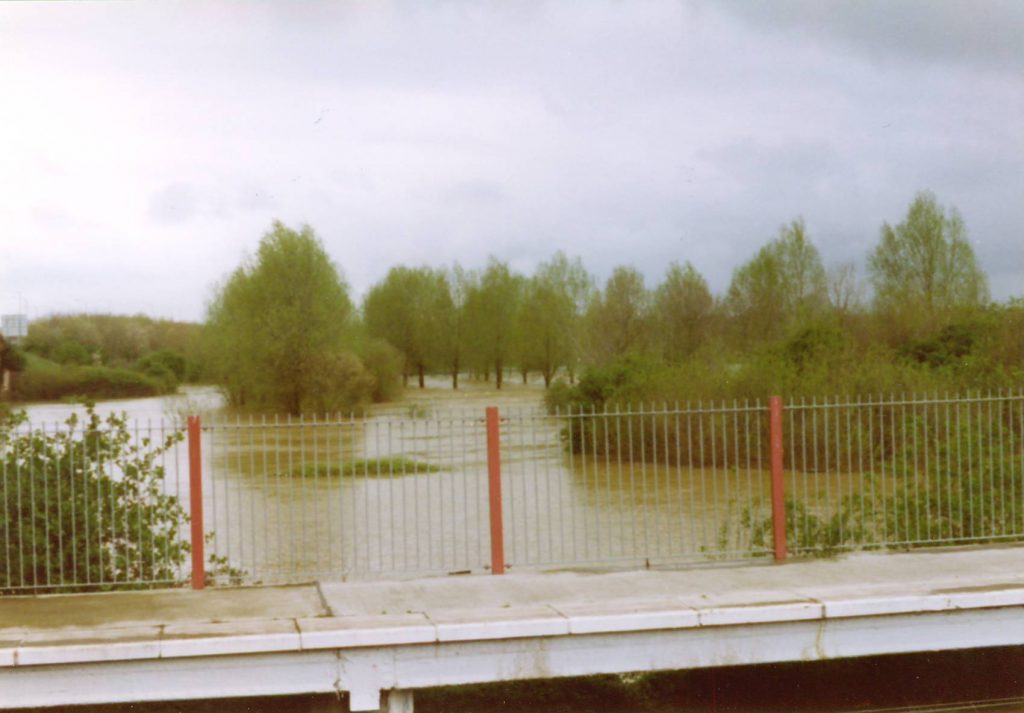
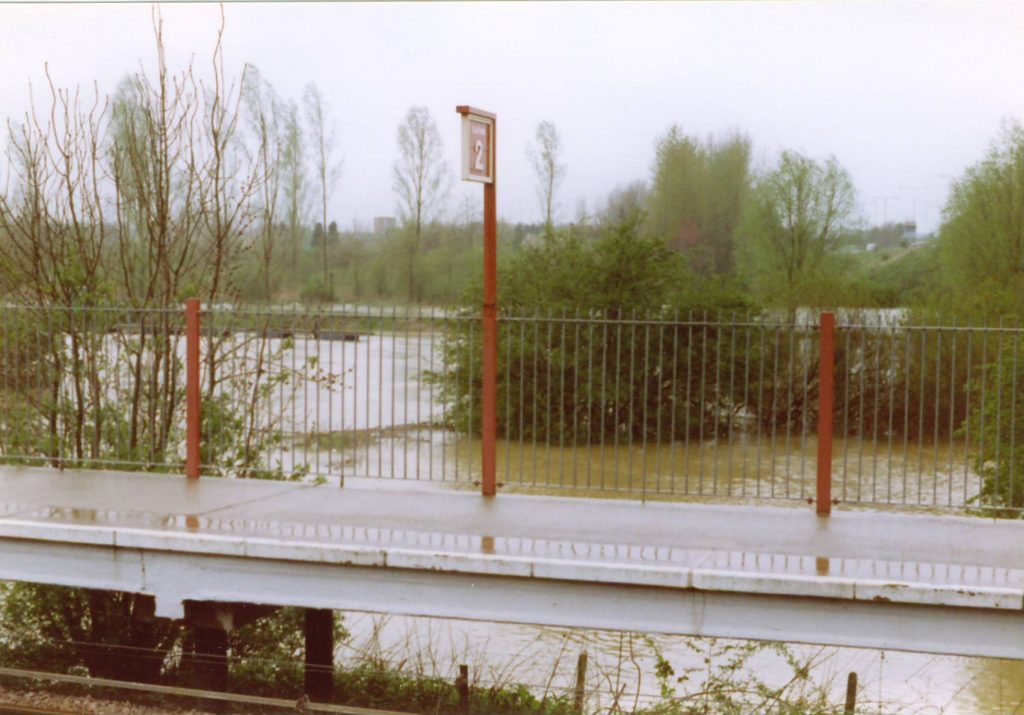
The above show the waters flooding immediately behind platform 2.
As a visitor said to me a few years ago. It makes a change from photographing trains.
The Fletton loop which is now part of the NVR was used for the deliveries of sugar beet into the British Sugar factory.
Here is a wagon label used for such deliveries.
The sidings are long gone.
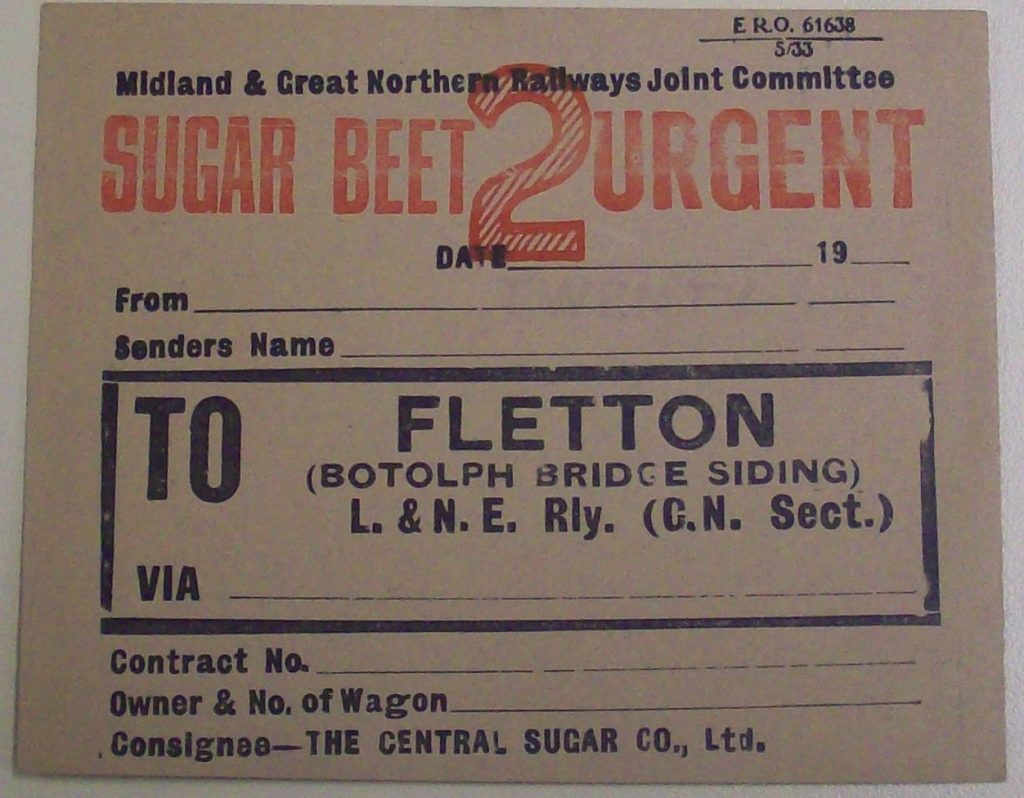
Here are two labels from my collection of photographed items.
Whilst not connected directly with the NVR they do show that Peterborough was an important staging post for goods by rail through the area and across the country.
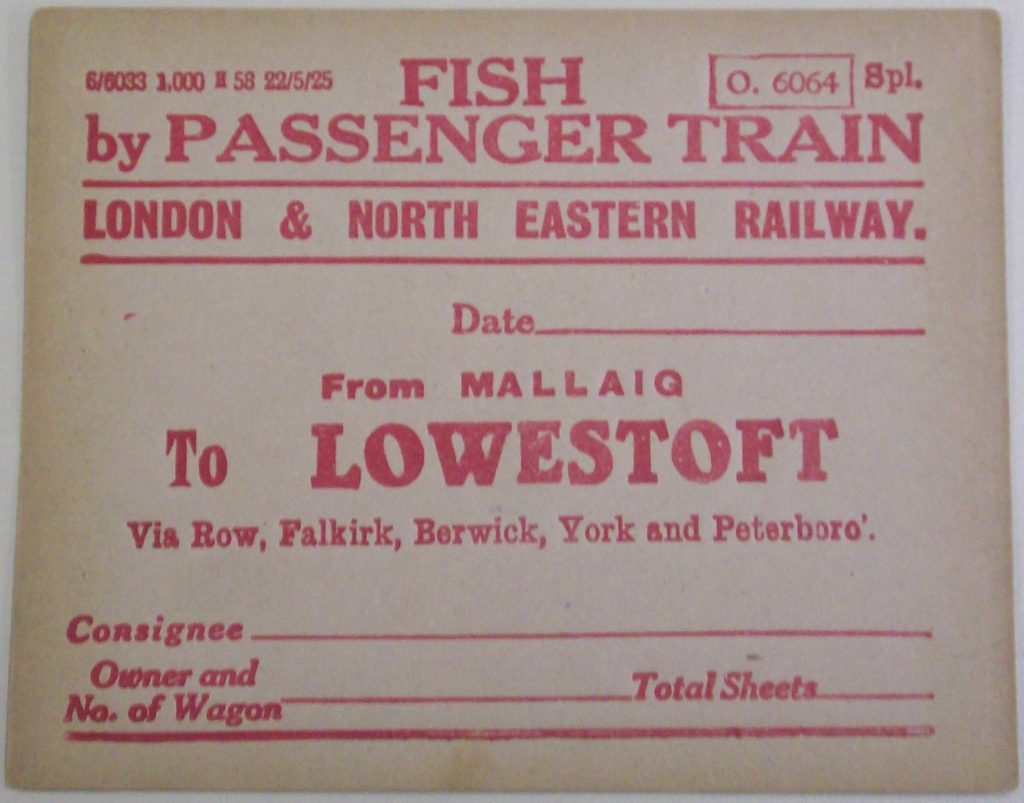
Now the one above is for fish from Mallaig in Scotland to Lowestoft on the East coast.
I would guess some will be thinking why send fish from Scotland to a port on the East Anglian coast?
Well as far as I can find out they used to follow the herring around the coast and it was sent to Lowestoft for processing, should you know differently please drop me an email.
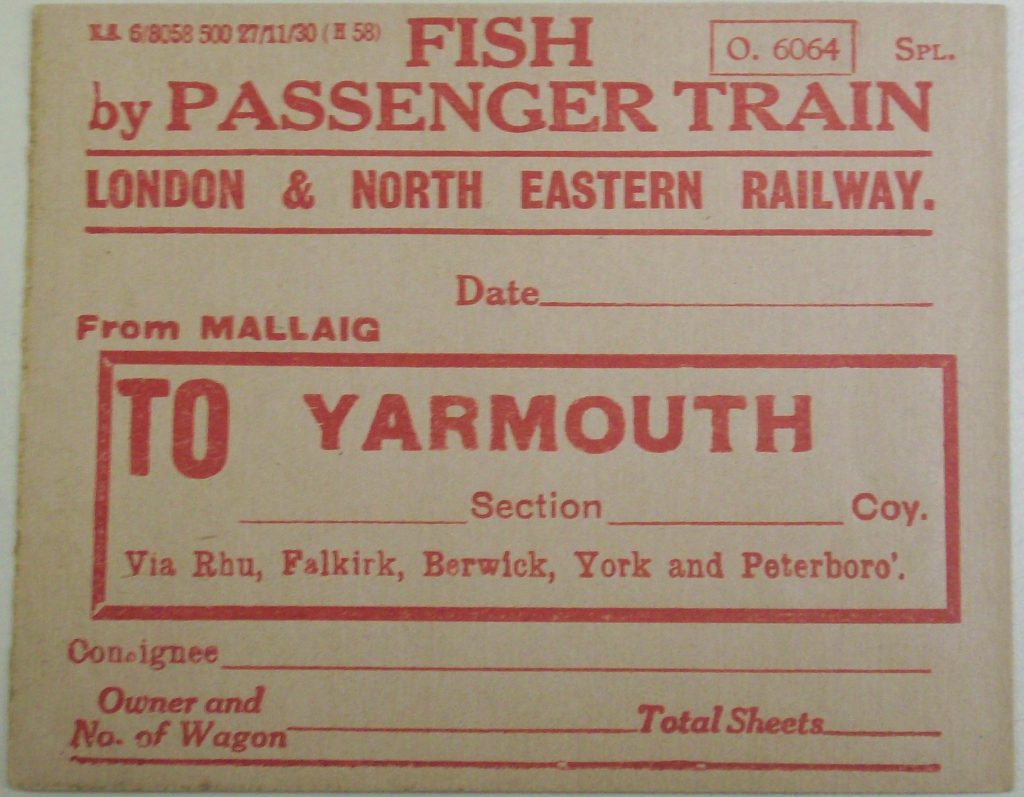
This image above again shows fish from the West coast of Scotland to the East coast of England. But in this case to Gt Yarmouth.
Judging by the date on the top left of the second image these are from the 1930’s
Should you have any more you can add to what I have written above reference the transportion of the fish from one port to another then I would love to hear from you.
Contact details are in the right hand column.
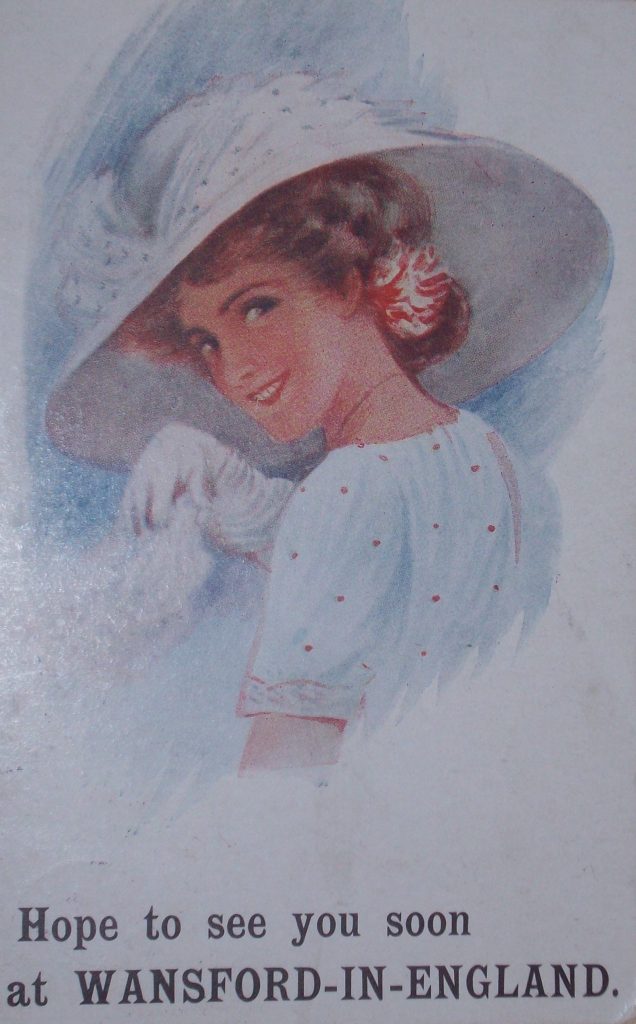
Postcards used to be the thing to send your friends when you visited anywhere.
Here is one from Wansford.
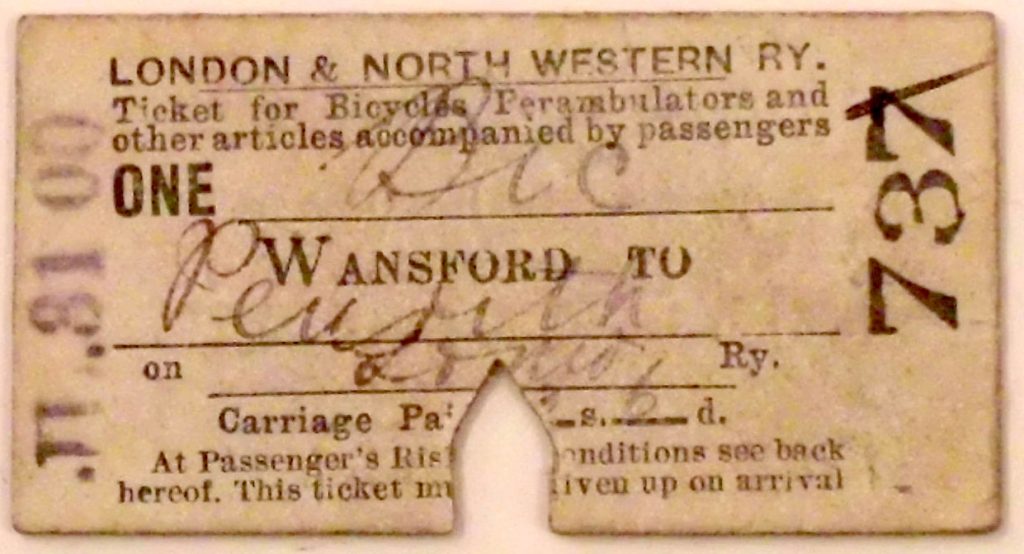
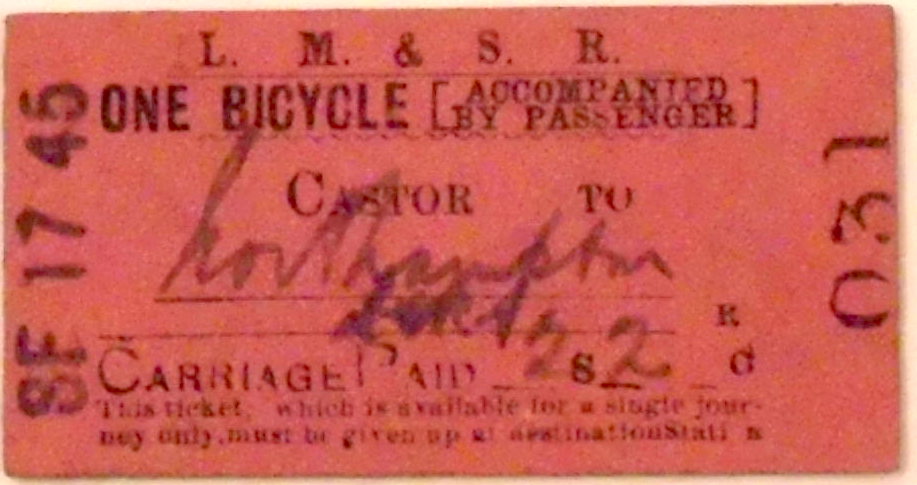
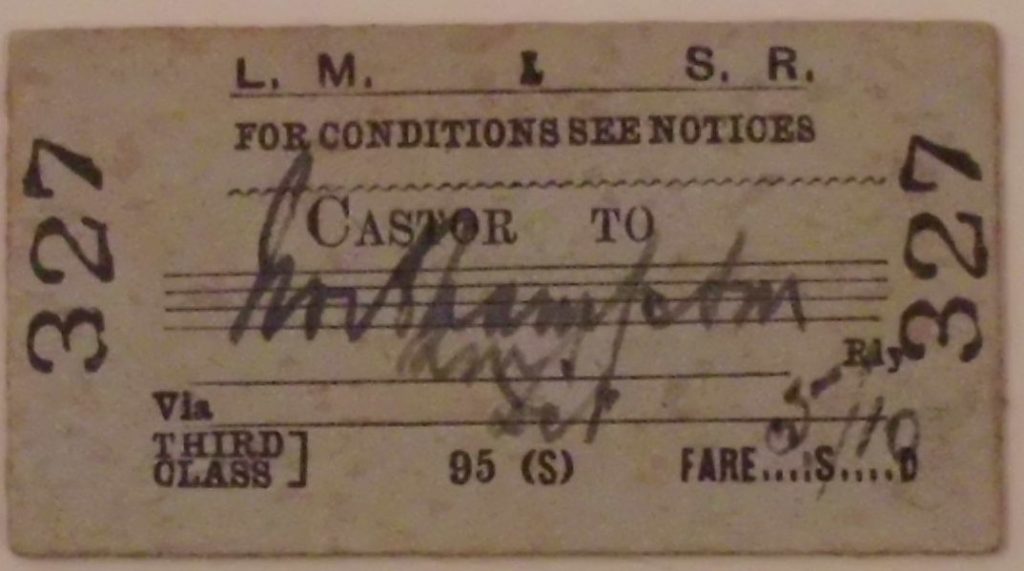
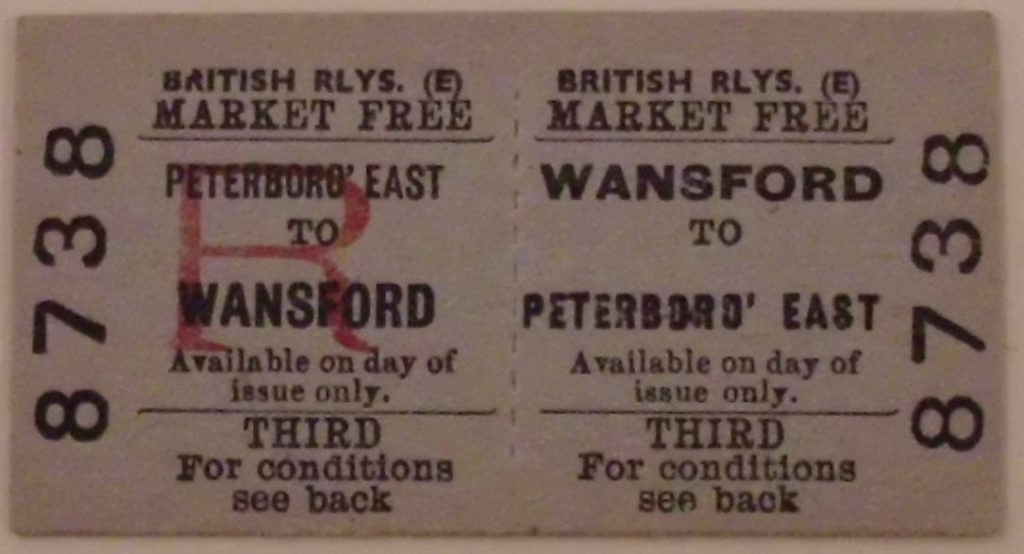
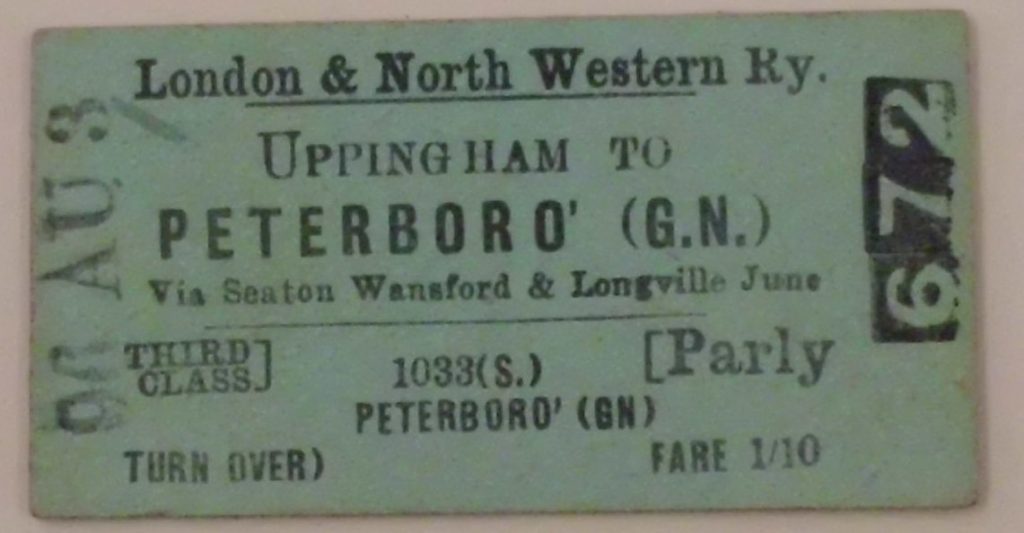
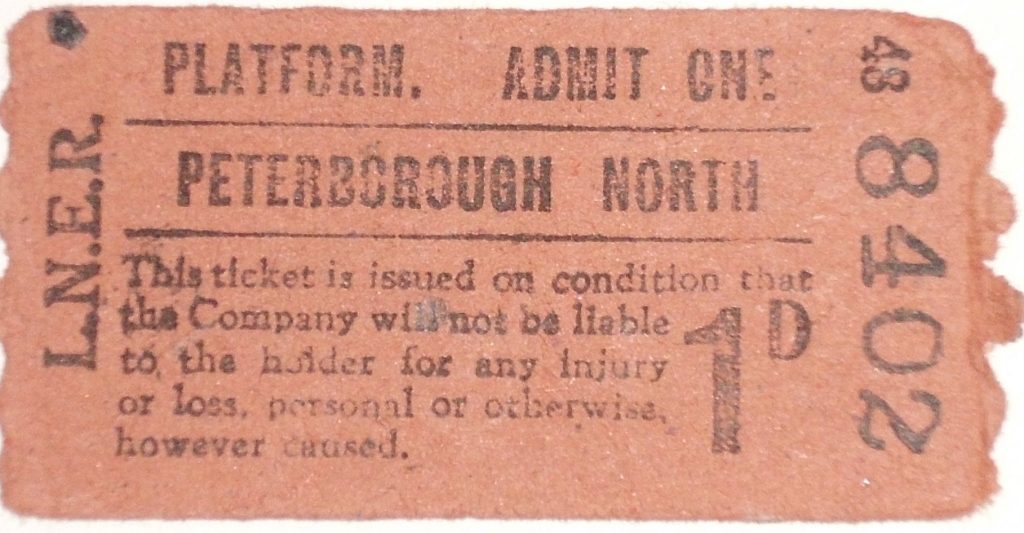
Previous posts showing old tickets have been popular with some site visitors asking if we have any more.
So here are a few more old tickets. I hope you enjoy them.